Version 1.1 · Open Standard · CC BY 4.0

Enhancement is fine.
Deception isn't.

A voluntary disclosure standard for digitally altered transactional imagery.

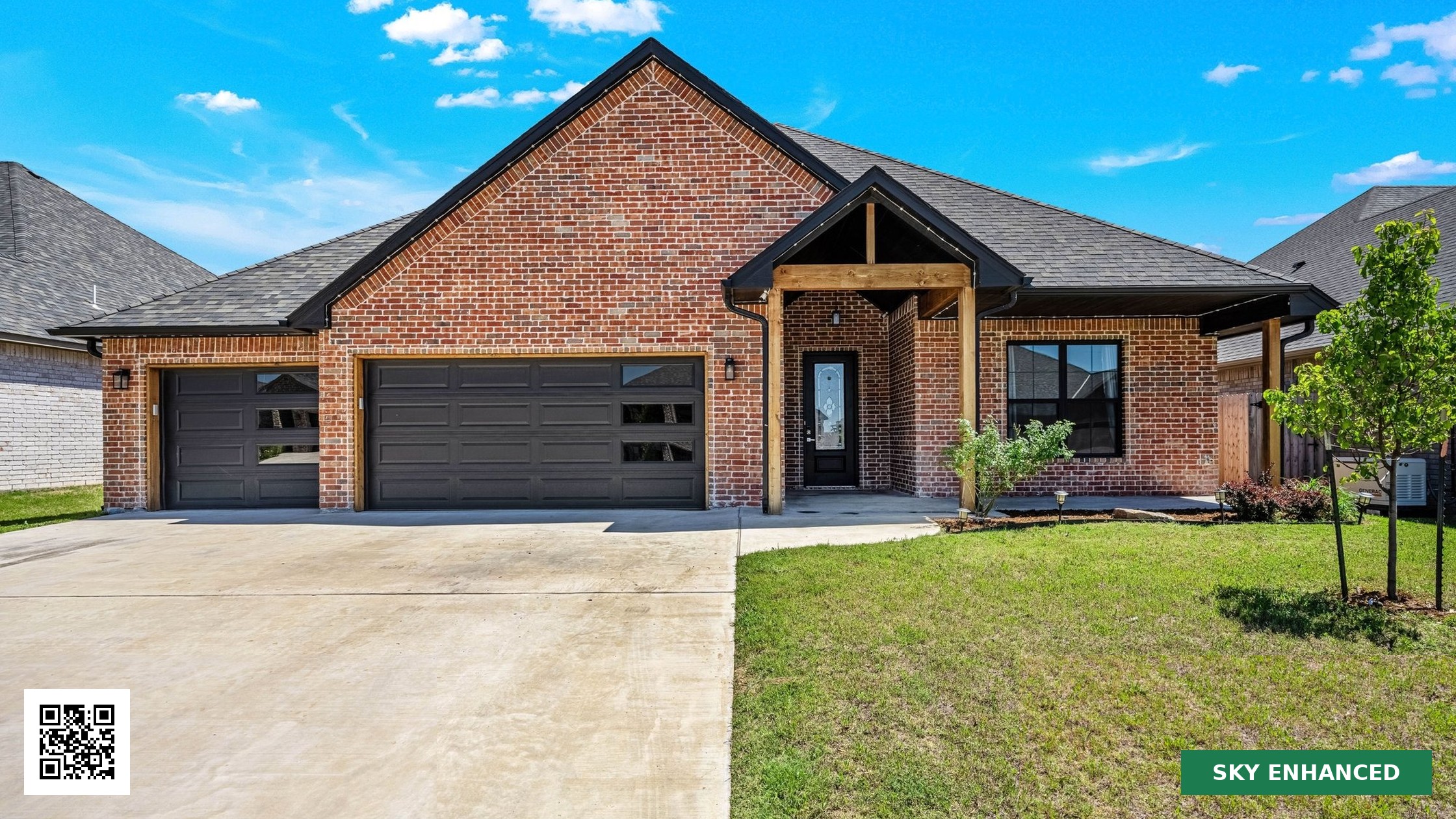
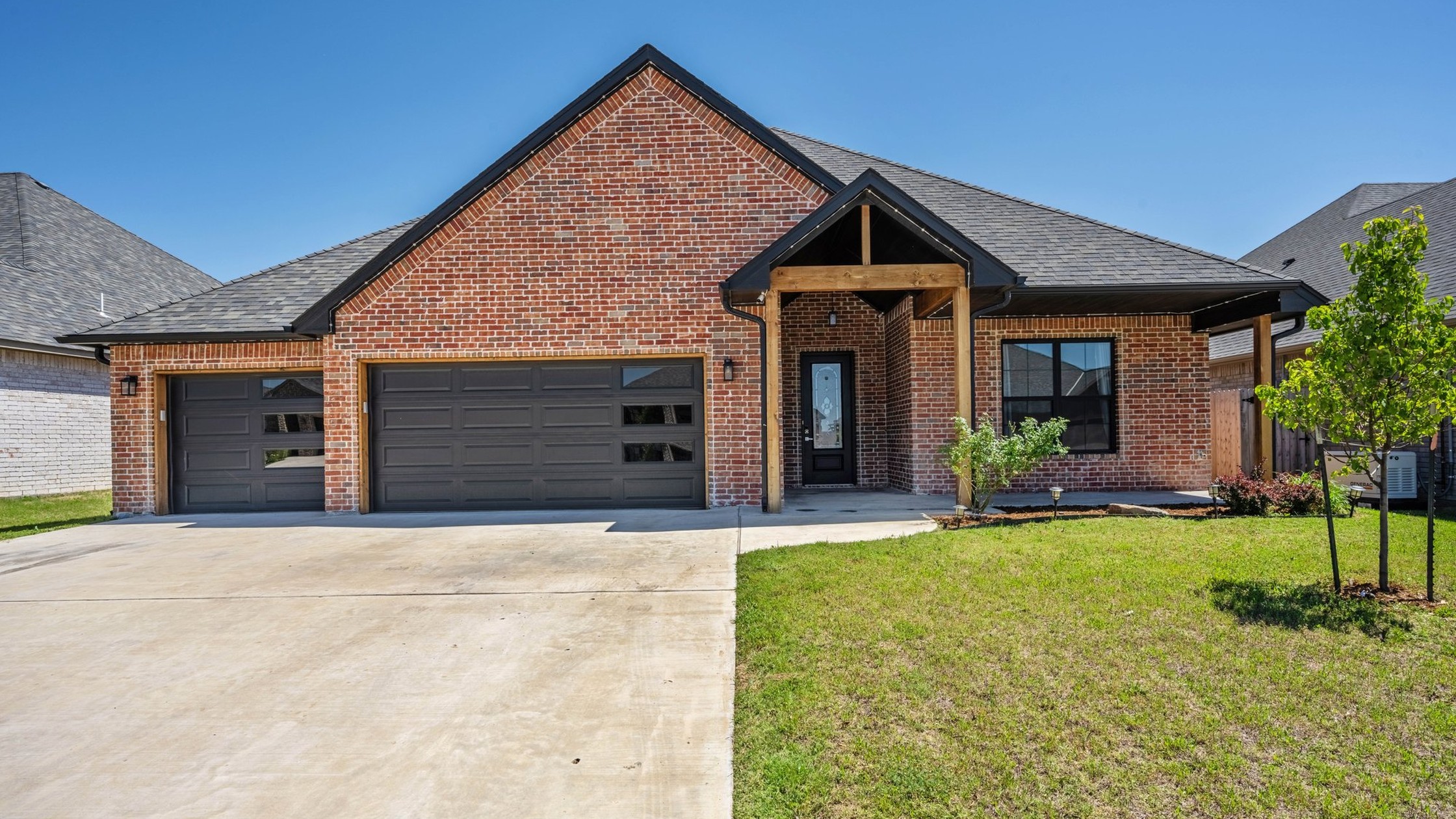
Transparent by default Every edit carries a visible label. Every labeled image links to its unedited source.
Producer-led Photographers and editors own the disclosure. Voluntary. Self-applied. Good-faith.
Compliance-aligned Designed to satisfy AB 723, MLS rules, NAR ethics, and FTC §5 simultaneously.
The case for disclosure

The market is losing confidence in what it sees.

Buyers can no longer reliably distinguish genuine transactional imagery from imagery altered by generative AI, traditional editing, or outright fabrication. The consequences are measurable — and professionals who do their work honestly are paying the reputational cost for those who don't.

VIDP is a voluntary response from the industry to the industry. It describes a standardized way to disclose the digital edits that were applied to a transactional image, paired with public access to the unedited source for independent verification. It is designed for producers who want to operate transparently — and for adopters who want to signal that transparency to the market they serve.

84%
of US home buyers want AI-altered listing photos disclosed Cotality Consumer Trust Survey, 2026
30→16%
collapse in buyer trust for AI-assisted home search in a single year Cotality, year-over-year
44%
would pay extra for human-verified listings Cotality, 2026
57%
of consumers fail to correctly identify AI-generated photography Academic studies, aggregated 2024–25
The disclosure system

Four tiers. Sixteen pills. One producer-led standard.

Each edit type has a designated pill — a small, standardized label applied to the delivered image. Pills are color-coded by severity, stacked from most to least serious, and accompanied by a QR code that links buyers to the unedited source.

0 Blue

Informational Overlays

Annotations added to the image. The photograph still represents the subject as it actually exists — the overlay is explanation, not modification.

  • Boundary Overlay
  • Focus Enhanced
  • Annotated
  • Compass Added
1 Green

Atmospheric & Cosmetic

Sky, lighting, and seasonal treatments that modify the atmosphere of the scene without altering the physical subject.

  • Sky Enhanced
  • Virtual Twilight
  • Window Balanced
  • Lawn Enhanced
  • Lighting Enhanced
2 Amber

Additive

Elements added to the scene that were not physically present — furniture, landscaping, renovation concepts.

  • Virtually Staged
  • Virtual Landscaping
  • Virtual Renovation
  • Decor Added
3 Red

Subtractive & Substitutive

Elements removed, substituted, or concealed. Strongly discouraged. When used, disclosed with maximum prominence.

  • Element Removed
  • Defect Corrected
  • Feature Substituted
Who VIDP is for

A standard with four audiences. One shared interest in honest imagery.

01

Photographers & Editors

Disclose the edits you apply and distinguish your work from undisclosed manipulation. Compatible with existing MLS rules and state disclosure laws.

Adopt as producer
02

Agents & Brokerages

Signal compliance to buyers, shield the brokerage from liability tied to undisclosed AI imagery, and meet AB 723 and analogous state requirements.

Require VIDP in deliverables
03

MLSs & Associations

A ready-made, publicly licensed disclosure standard that can be referenced in rules without the overhead of authoring one from scratch.

Reference VIDP in policy
04

Buyers & Consumers

When you see a VIDP pill, you know what was done to the image. When you scan the QR, you see the original. Transparency built into the picture.

How to verify an image